
I
The palace
The Belvedere, open in the evening
On these evenings the Upper Belvedere opens exclusively for concert guests, which is rare. Before the concert, a bar on the first floor serves sparkling wine, wine and soft drinks.
BLACK FRIDAY SALE: 15% OFF WITH CODE: KISS15

Six Sunday evenings in Vienna · 8 November to 13 December 2026
Klimt and music.
An evening at the Belvedere.
Klimt’s ‘The Kiss’ after hours, open to concert guests only. Then music in the Marmorsaal (Marble Hall).
The series is on · choose your evening
Marble Hall · Upper Belvedere
Dates 2026
19:00 H
Belvedere Collection
20:00 H
Concert
Your evening
Sunday, 29 November 2026
19:00 H Belvedere Collection20:00 H Concert
This evening is sold out. Please choose another date.





An intimate evening
The palace
On these evenings the Upper Belvedere opens exclusively for concert guests, which is rare. Before the concert, a bar on the first floor serves sparkling wine, wine and soft drinks.
The art
Klimt’s The Kiss without the crowds, and you can even take a photo. Plus other works by Klimt, Schiele and Waldmüller.
The music
The highlight of the evening: a programme created for this series, played by the soloists of the Wiener KammerOrchester. Beyond the windows lies Vienna, the view Canaletto painted.
The evening at a glance
Welcome
Enter via the Sala Terrena, where you will also find the cloakroom. The Prunkstiege, the grand staircase, takes you up to the first floor.
19:00 H
Klimt’s ‘The Kiss’ and the highlights of the collection on the first floor. On these evenings the palace is open to concert guests only. The bar stays open until the concert begins.
20:00 H
In the Marmorsaal. Choose any seat within your booked category.
21:30 H
No interval. The bar is open before the concert only.
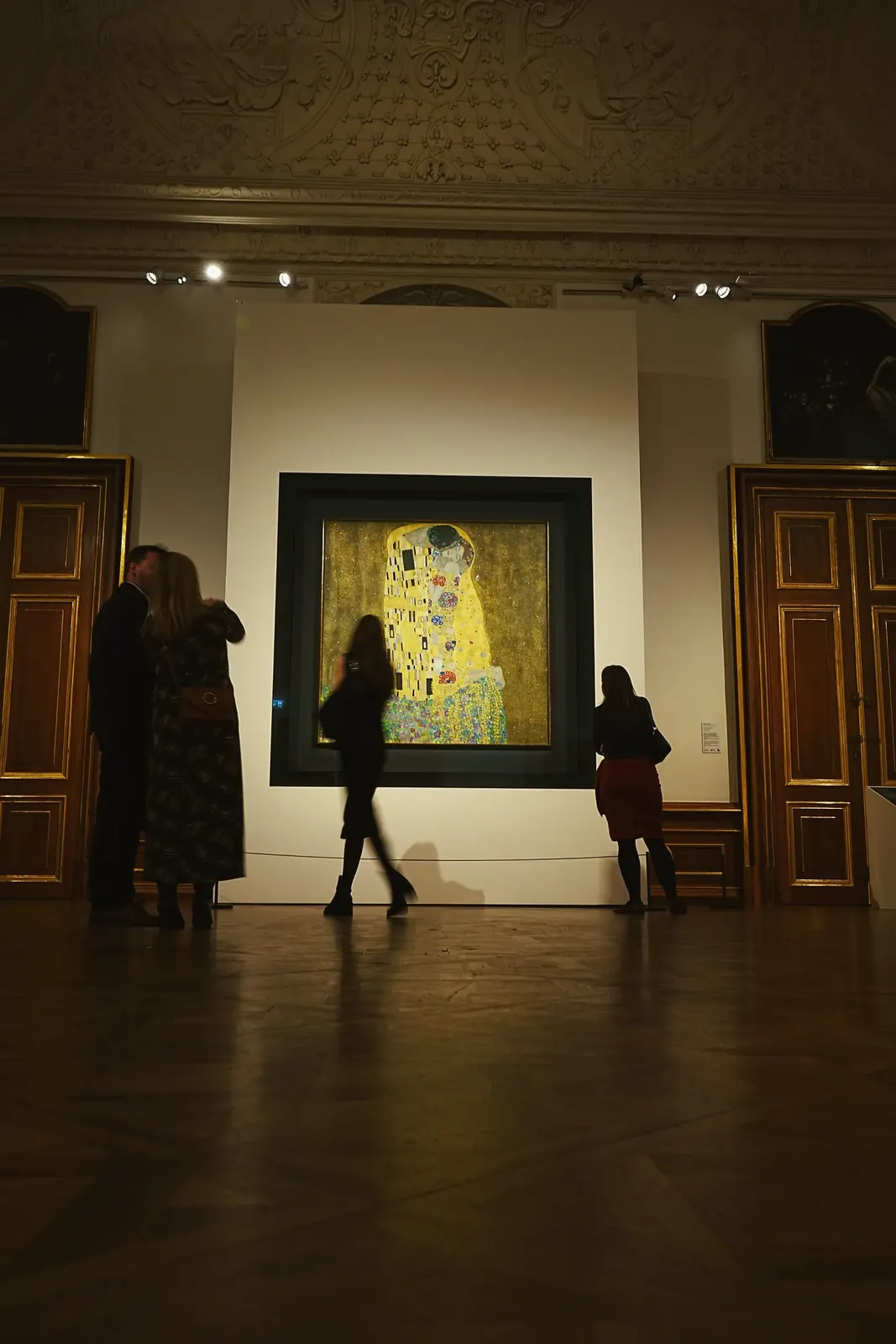
Belvedere Collection
Time for ‘The Kiss’
Two people embrace at the edge of a flower meadow. Klimt, a co-founder of the Vienna Secession, brings their bodies together in richly patterned golden robes. ‘The Kiss’ was first exhibited in 1908 and completed in 1909. Real gold leaf, silver and platinum give its surface a changing shimmer. After closing time, you have time to look more closely.
Gallery · Impressions from the Belvedere
Crystal chandeliers, red marble and music from Mozart to Strauss, plus Klimt’s ‘The Kiss’ after hours.

Your exclusive concert in the Marble Hall, presented by MAGMAG Events
Prince Eugene of Savoy commissioned Johann Lucas von Hildebrandt to build the Belvedere. The Upper Belvedere took shape between 1717 and 1723 as a setting for receptions and festivities. From here, the garden terraces lead your eye down towards the city.
The Marmorsaal looks out over Vienna, beneath a painted ceiling. This evening, it is the setting for the soloists of the Wiener KammerOrchester.
To the Upper BelvedereEvening light edited with AI. Photo: C.Stadler/Bwag · CC BY-SA 4.0
Artists
Five soloists from the Wiener KammerOrchester, founded in 1946, and the soprano Melanie Wurzer.


The ensemble
Five musicians from the Wiener KammerOrchester play for you as a quintet of soloists. Each voice has its own space; their shared experience brings them together.
Founded in 1946, the Wiener KammerOrchester celebrates its 80th anniversary in the 2026/27 season. In 1946, Benjamin Britten conducted his Serenade for tenor, horn and strings. In 1952, Daniel Barenboim played with the orchestra aged nine. Musicians associated with the orchestra include Jörg Demus, Alfred Brendel, Friedrich Gulda and Paul Badura-Skoda. Carlo Zecchi, Philippe Entremont, Yehudi Menuhin, Sándor Végh and Heinrich Schiff later helped shape its development.
Chamber music begins with listening. The players respond to one another in the moment; a small movement can give the music a new direction. This attentiveness is part of daily life at the Wiener KammerOrchester.
At the Belvedere, five soloists from the orchestra perform for you. The orchestra’s experience at the Wiener Konzerthaus and on international stages meets each musician’s personal way of playing. Every voice has room to be heard.
One voice leads, another answers. The players move between these roles, always listening to the sound they make together. This closeness makes chamber music so important to the orchestra.
Five individual voices, a shared musical language. In this quintet, you hear what brings the Wiener KammerOrchester together: the pleasure of listening to one another and making music.
Wiener KammerOrchester · Mozart-Saal, Wiener Konzerthaus · © Rolando Ferrigato · June 2025

The soloist
Soprano
At the Belvedere, Melanie Wurzer sings Schubert’s ‘Ave Maria’ and ‘Mein Herr Marquis’ from ‘Die Fledermaus’.
A debut at the Deutsche Oper am Rhein. Violetta, Micaëla, Zerlina. And in summer 2027, Verdi’s ‘Aida’ at the Wiener Opernsommer.
Training
Solo voice at the Vienna Conservatory, today’s MUK, graduating with distinction. Master’s degree in 2016 at the Swiss Opera Studio in Biel/Bienne.
Stages
Deutsche Oper am Rhein, Theater Biel/Solothurn, Langenlois Castle Festival, Wiener Opernsommer. A long-standing ensemble member of the Salzburg Operetta Theatre. On tour in Japan and a guest at the First Operetta Festival in China.
Roles
Violetta in ‘La Traviata’, Micaëla in ‘Carmen’, Zerlina in ‘Don Giovanni’, Marzelline, Gretel. In operetta, the leading roles in ‘Die Csárdásfürstin’ and ‘Im Weißen Rössl’. In 2027 she sings the High Priestess in ‘Aida’.
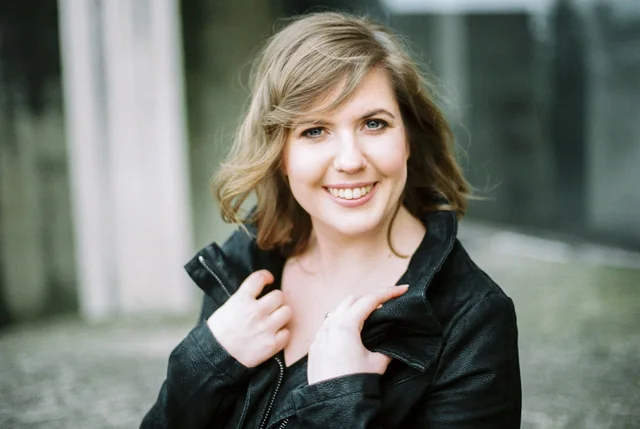
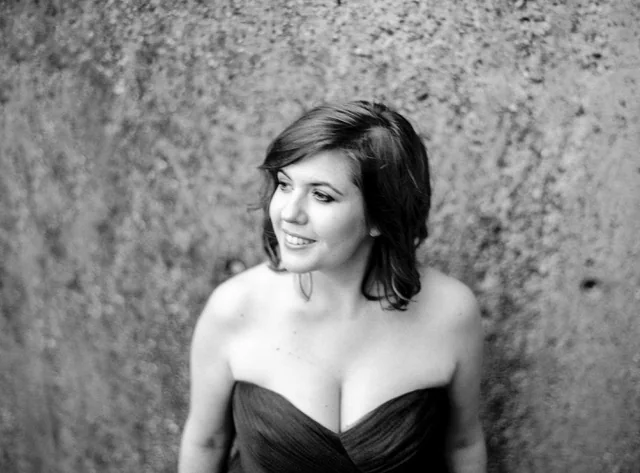
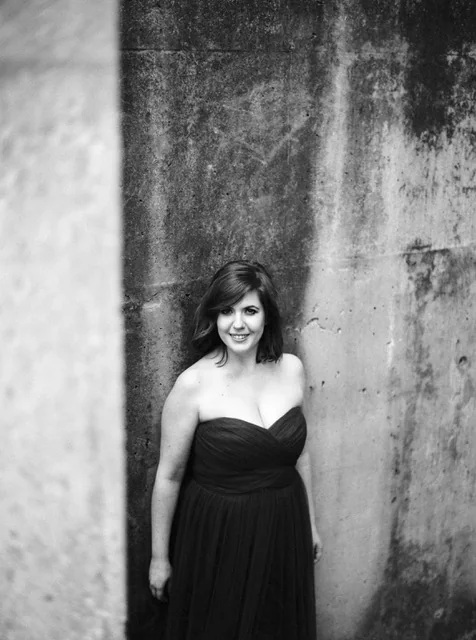
Coming up · July 2027
Wiener Opernsommer
Giuseppe Verdi · ‘Aida’
In July 2027 the Wiener Opernsommer stages Verdi’s ‘Aida’ in the open air, at the Opernarena am Heumarkt in Vienna. The Wiener KammerOrchester plays and the Philharmonia Chor Wien sings, under the direction of artistic director Joji Hattori.
Melanie Wurzer, the soprano of Kiss & Concert, sings the High Priestess.
Photographs · © Theresa Wey
The concert · 20:00
From Mozart and Vivaldi to Puccini. Johann Strauß brings operetta and waltz to the finale.
Choose your eveningA little play on strings
‘En badinant’ means ‘playfully’. D’Ambrosio’s short piece takes the hint: the melody skips, turns and moves lightly on. An opening that lets you hear the pleasure of playing.
Background reading ↗Mozart sets off at a run
Mozart opens with a burst of energy: the strings race ahead, then make room for a singing melody. The Allegro from his Divertimento in D major, K. 136 moves between nimble motion and warmth, like a conversation. With five players, you can follow every exchange at close quarters.
Background reading ↗A love letter without words
Alice Roberts gave Elgar a poem; in 1888 he answered with music. His ‘Liebesgruss’ became ‘Salut d’amour’. The melody lingers gently, as though reluctant to leave. A personal love story told without a word.
Background reading ↗Musetta knows the effect she has
Christmas Eve at Café Momus in the Latin Quarter of Paris: Musetta wants her former lover Marcello’s attention back. In her waltz from Puccini’s ‘La Bohème’, she sings of how everyone turns to look when she walks alone through the streets. Flirtatious, playful and with a touch of longing.
Background reading ↗Hold back, then let go
Brahms brings the dance almost to a standstill, then sends it racing on. The familiar melody moves between restraint and fire, as though gathering fresh momentum each time. ‘Hungarian Dance No. 5’ holds all that tension within a few minutes.
Background reading ↗Cold you can hear
Strings shiver, wind cuts through and teeth chatter. Then Vivaldi takes us indoors, beside a fire while rain falls outside. In the finale, we step onto slippery ice before the winds collide. A whole winter landscape in three movements (Allegro non molto, Largo, Allegro), with the solo violin at its heart.
Background reading ↗A voice finds stillness
Schubert’s ‘Ave Maria’ began as a young woman’s prayer in a story by Walter Scott. Above the gently flowing accompaniment, the voice traces long, unhurried lines. The melody gives a plea room to breathe. Heard at close quarters, it needs no grand gesture.
Background reading ↗An opening almost everyone knows
On 10 August 1787, Mozart entered the Serenade in G major, K. 525 in his catalogue of works, while he was busy with ‘Don Giovanni’. The first movement opens with a flourish that almost everyone knows, then stays elegant and conversational. It is written for strings down to the double bass, just as they play this evening in the Marble Hall.
Background reading ↗What words cannot say
In Massenet’s opera ‘Thaïs’, the heroine faces a decision that will change her life. Now the violin speaks for her. The melody of the ‘Méditation’ rises, grows more urgent and finds its way back to calm. You can hear this turning point without seeing the stage.
Background reading ↗First longing, then a whirlwind
Vittorio Monti was an Italian violinist and, around 1900, a conductor in Paris. Around 1904 he wrote his ‘Csárdás’ after the model of the Hungarian dance: first the violin sings slowly and wistfully, then the tempo grows faster and faster. A piece that leaves you holding your breath.
Background reading ↗Laughter for an answer
At Prince Orlofsky’s ball, Eisenstein thinks he recognises his chambermaid Adele. She simply laughs at him: a gentleman like him really ought to look more closely. In ‘Die Fledermaus’, Johann Strauß turns that laughter into a tune that sparkles and dances. The soprano gets to tease and to shine.
Background reading ↗Vienna begins to sway
A few notes of the ‘Blue Danube’ are often enough to recognise it. Johann Strauß lets one waltz melody grow out of another as the music lifts and sways. Here, five players bring you a shortened version, with each voice close at hand.
Background reading ↗A waltz for a celebration
Johann Strauß wrote ‘Wiener Blut’ in 1873 for the wedding of Archduchess Gisela, daughter of Emperor Franz Joseph, and conducted the premiere himself. The waltz begins almost hesitantly, then gathers momentum and shows Vienna at its most charming. A finale that lingers long after the last note.
Background reading ↗Getting here & entrance
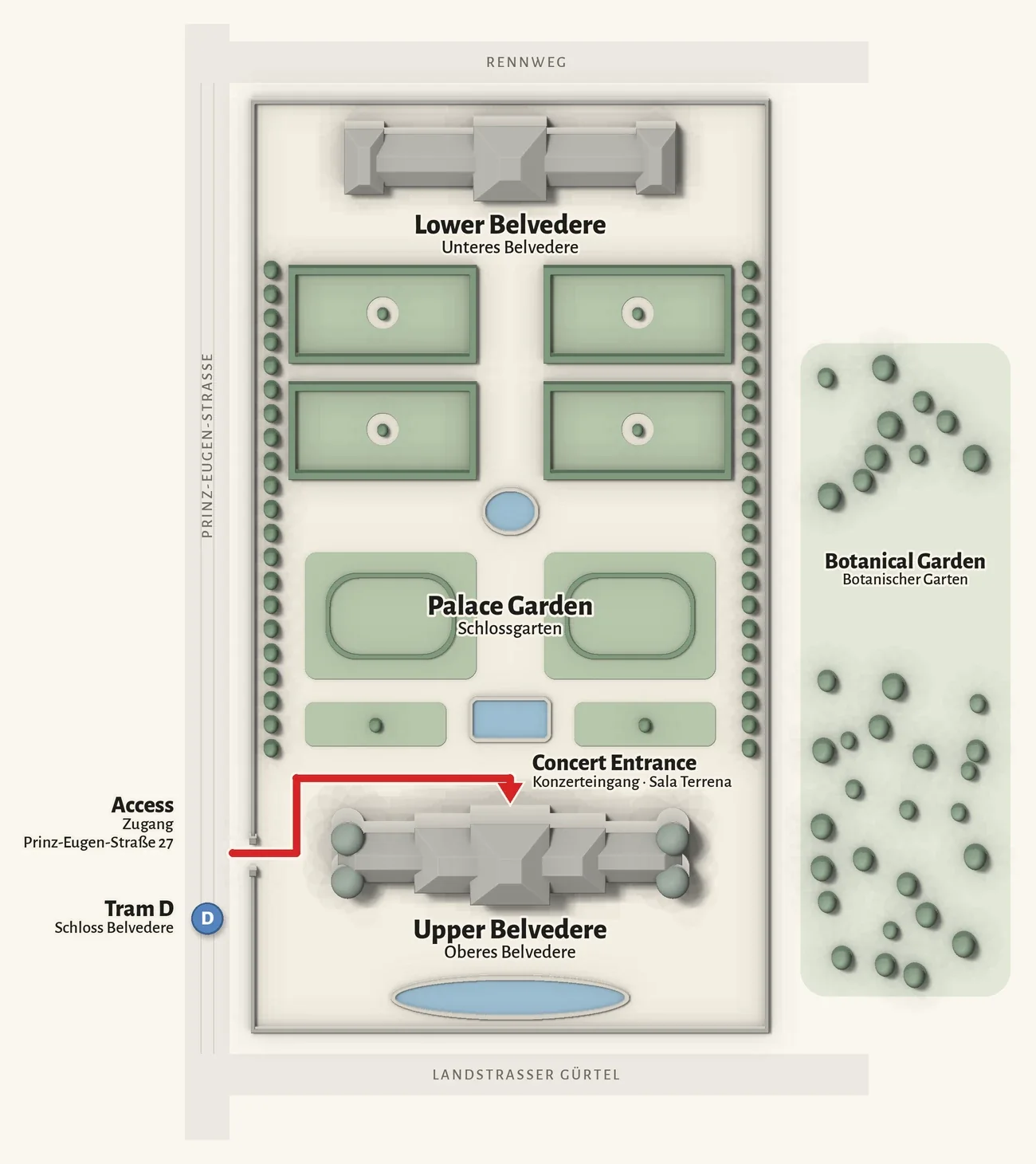
Prinz-Eugen-Straße 27
1030 Wien
Enter from the garden through the Sala Terrena. The Prunkstiege leads to the Marmorsaal.
Booking questions?
sales@belvedereconcerts.atAfter payment, your tickets arrive by email with a QR code. Show the code at the entrance on your phone or on a printout.
Book VIP, A or B, then choose your seat within that category when you arrive. Individual seats cannot be reserved.
From 19:00 you can see the Belvedere Collection, open to concert guests only on these evenings. The concert begins at 20:00 and ends at 21:30, with no interval. The bar on the first floor is open before the concert only and serves sparkling wine, wine and soft drinks. A glass of sparkling wine is included with VIP.
The Upper Belvedere has step-free access. If you need a wheelchair space, please arrange your visit with us before booking: sales@belvedereconcerts.at.
We suggest smart casual. Please leave coats, jackets, large rucksacks and umbrellas in the cloakroom.
Photography, video and sound recording are not allowed during the concert. The museum’s rules apply in the galleries.
We’re happy to help: sales@belvedereconcerts.at.
Six Sunday evenings in Vienna · 8 November to 13 December 2026
Klimt and music. An evening at the Belvedere.
Book ticketsBelvedere Collection & concert from €99
Your concert booking
Which evening would you like to book?
19:00 H Belvedere Collection · 20:00 H Concert
Next, choose your category and number of tickets.
Opening booking …
Prefer a separate window? Open the ticket shop ↗
Accessibility
AI assistant · in your language
The concierge is typing …


